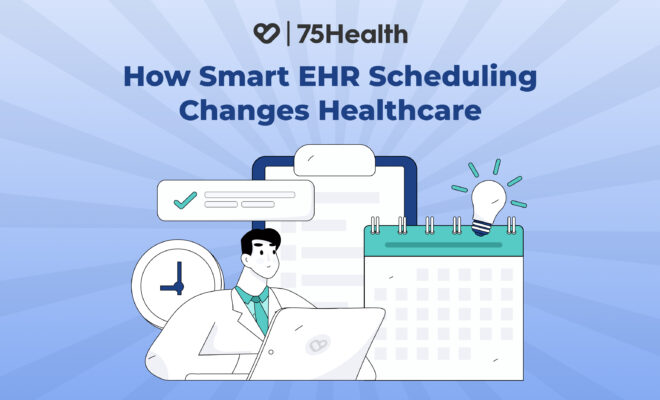
No More Missed Appointments: How Smart EHR Scheduling Changes Healthcare
Healthcare organizations today face a common challenge: missed appointments. Whether it’s a small clinic or a multi-specialty hospital, no-shows can disrupt schedules, reduce operational efficiency, delay patient care, and impact revenue.
Modern Electronic Health Record (EHR) systems are solving this problem with smart appointment scheduling features, automated reminders, and integrated telehealth capabilities that make healthcare more accessible and convenient for patients.
The Growing Problem of Patient No-Shows
A missed appointment may seem small, but its impact is significant:
- Wasted physician time
- Longer patient waiting lists
- Delayed treatments and follow-ups
- Reduced staff productivity
- Revenue loss for healthcare providers
Many patients miss appointments due to:
- Forgetfulness
- Busy schedules
- Transportation issues
- Long travel distances
- Lack of reminder systems
This is where intelligent EHR scheduling features make a real difference.
Smart Appointment Scheduling in Modern EHR Systems
Modern EHR platforms simplify the entire appointment management process for both healthcare staff and patients.
Key Scheduling Features That Reduce No-Shows
1. Automated Appointment Reminders
Patients receive reminders through:
- SMS
- Phone notifications
These reminders help patients remember upcoming visits and reduce missed appointments significantly.
2. Online Self-Scheduling
Patients can book appointments anytime without calling the clinic.
Benefits include:
- Faster booking process
- Reduced front-desk workload
- Better patient convenience
- Real-time doctor availability
Self-scheduling gives patients more control, making them more likely to attend appointments.
3. Telehealth Integration for Virtual Visits
One of the biggest advancements in modern EHR systems is integrated telehealth functionality.
Patients who cannot travel or visit physically can attend appointments virtually through secure video consultations.
Telehealth helps reduce no-shows caused by:
- Transportation challenges
- Distance barriers
- Weather conditions
- Busy work schedules
- Minor follow-up consultations
Healthcare providers can continue delivering care while improving appointment attendance rates.
Benefits of Telehealth in EHR Systems
- Virtual consultations from anywhere
- Faster follow-ups
- Improved patient accessibility
- Better continuity of care
- Reduced waiting room congestion
4. Easy Appointment Rescheduling
Instead of completely missing appointments, patients can quickly reschedule through:
- Mobile apps
- Patient portals
- Automated links
This keeps schedules organized while helping providers fill available slots efficiently.
5. Real-Time Calendar Management
EHR scheduling tools provide healthcare teams with:
- Live calendar updates
- Provider availability tracking
- Conflict prevention
- Multi-location scheduling support
This improves operational efficiency and minimizes booking errors.
How EHR Scheduling Improves Patient Experience
Patients today expect healthcare experiences to be as convenient as other digital services.
Smart scheduling and telehealth features help healthcare organizations:
- Improve patient satisfaction
- Reduce waiting times
- Increase engagement
- Deliver faster access to care
When patients experience convenience and communication, they are more likely to stay connected with their healthcare providers.
Final Thoughts
Reducing no-shows is not just about protecting revenue; it’s about ensuring patients receive timely care and healthcare teams operate efficiently.
Modern EHR appointment scheduling features, combined with telehealth integration, help healthcare providers create smoother, smarter, and more patient-friendly experiences.
From automated reminders to virtual consultations, digital healthcare tools are helping organizations improve attendance, streamline workflows, and deliver better care outcomes.